
Built for one problem.
A business that works…
but is running on something nobody sees anymore.
What does OEC stand for anyway?
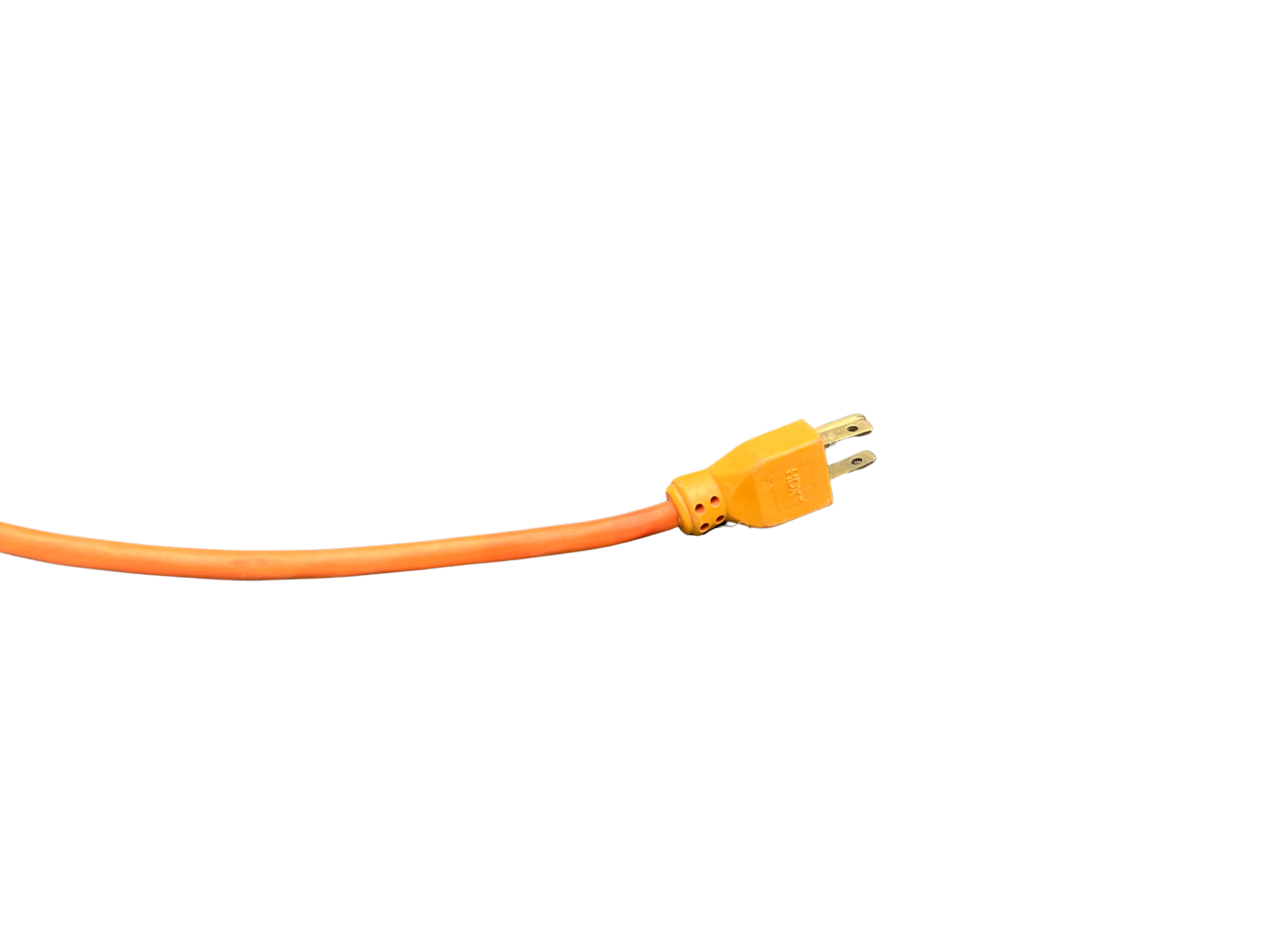
A woman was interviewing at a prestigious firm. Everything about the office was stunning: sleek furniture, natural light, high-end finishes. The only blemish was an unsightly orange extension cord behind the receptionist's desk.
Weeks later, she got the job. Before her first day, she kept wondering about that cord. Driven by curiosity, she finally asked a colleague about the eyesore.
They had no idea what she meant.
She checked with a few more people and received the same answer every time. No one had any idea there was an orange extension cord behind the desk they walked past every day.
They'd stopped seeing it so long ago; it had simply become part of the office.
That's the pattern OEC exists to interrupt. Every business has its own version of the orange cord: something normalized so completely that the people inside it can no longer see it at all. Naming it is the first step. Removing the dependency it's created is the rest of the work.
Rob Speciale, CEPA, ACC
Founder & Principal

Rob's career started inside a financial advisory practice, four years watching, up close, how advisors work with business owners, and how often the real obstacle to a good plan wasn't the numbers. It was whether the owner could let go, and whether the people around them were actually ready to carry the business forward.
That question followed him through over a decade of building and leading teams through the moments businesses change the most: renewals leadership at Salesforce and Tableau, revenue operations for a 150-person organization, and hands-on change management across several M&A integrations.
In that stretch, a pattern became impossible to ignore: the deals that held together and the teams that scaled well came down to the same pattern, whether the people around the top leader were trusted and ready for what came next.
That's the work OEC Solutions does now. Rob holds the CEPA (Certified Exit Planning Advisor) designation, an ACC credential through the International Coaching Federation, and a Team Coaching Certification, a combination built specifically for finding where a business still depends on one person, and doing the coaching, facilitation, and team work required to change it.
Along the way, organizations under his leadership have closed more than $1 billion in revenue.
After a decade in Austin, Texas, Rob now lives in Rochester, New York, with his wife and two children, dividing his time between OEC, a fair amount of "dad taxi" duty, and a lifelong habit of learning, finding new books, and the perpetual quest to lower his golf handicap.
Why Smart People Don't Fix This Themselves
The owners and leaders who end up in this work aren't passive.
They're not avoiding the problem.
They've tried. It didn't hold.
The reason isn't effort or intention.
It's that everyone who tries to fix the problem is inside it.
The owner who wants to step back is the center of the system that needs to change. Every attempt to hand off tasks is filtered through the old habits and personal ties. These same dynamics created the problem in the first place.
The senior leader seeking more ownership can't have the conversation without it becoming political.
Partners who need a dependable decision-making system rely on existing practices. These methods served them well, back when their business was smaller and less complex.
None of them can see the system clearly from inside it.
None of them can sustain this change from the inside.
What changes it? A person without ties to the current system who can see it clearly. Name it explicitly, force avoided decisions, and ensure the new structure holds.
That's a specific role. It's the role this work plays.
Not theories. Not frameworks.
Most advisory relationships generate insight.
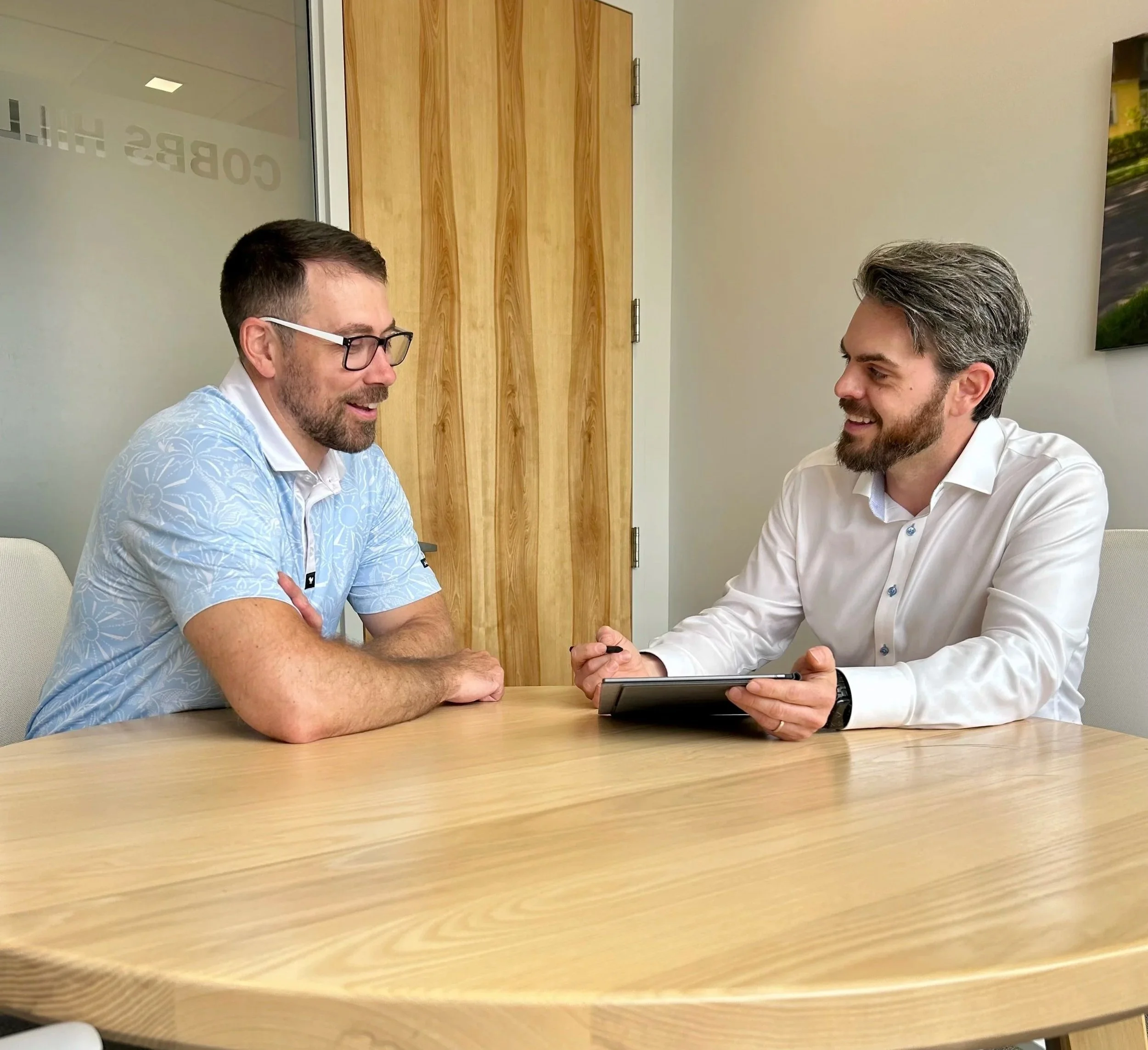
This one forces a decision.
Insight is easy to produce and easy to leave behind.
A decision, who owns what, what moves down, what stays up, changes how the business actually operates.
It requires being in the room when things are unresolved. Naming what's being avoided. Holding the outcome after everyone has agreed, even when the pull to revert returns.
Most advisors don't stay for that part.
OEC does. It's the only part that actually changes anything.
The goal is a business that no longer needs OEC.
Not a longer engagement. Not a framework that sustains itself by staying involved.
The work is done when the structure holds, without reinforcement from the outside.
That's the only measure of whether it succeeded.